Energy Balance and Discretionary Foods
Understanding how everyday meals and treats contribute to total daily energy intake
Core Principle of Energy Balance
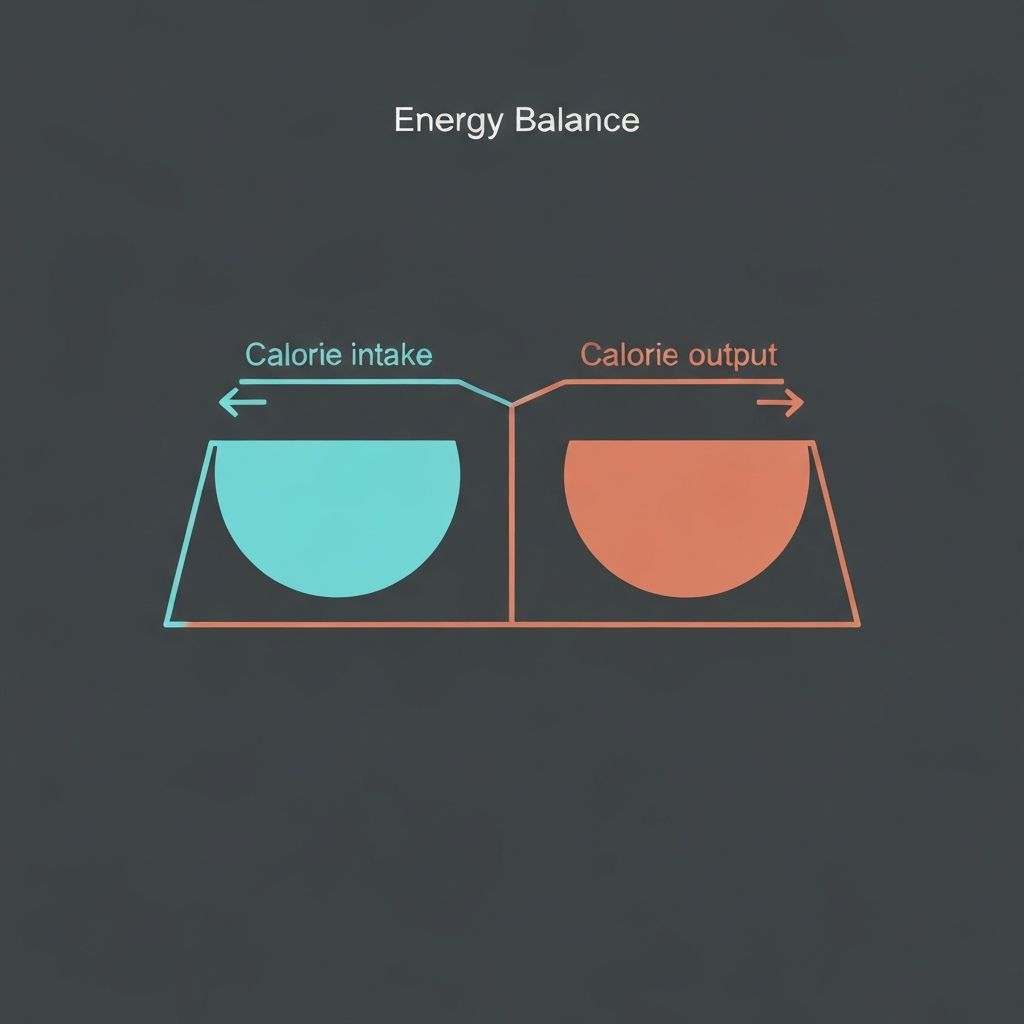
The fundamental principle governing energy intake and storage is straightforward: calories consumed versus calories expended. This basic relationship remains consistent regardless of the food source—whether energy comes from protein, carbohydrates, fats, or any combination of these macronutrients.
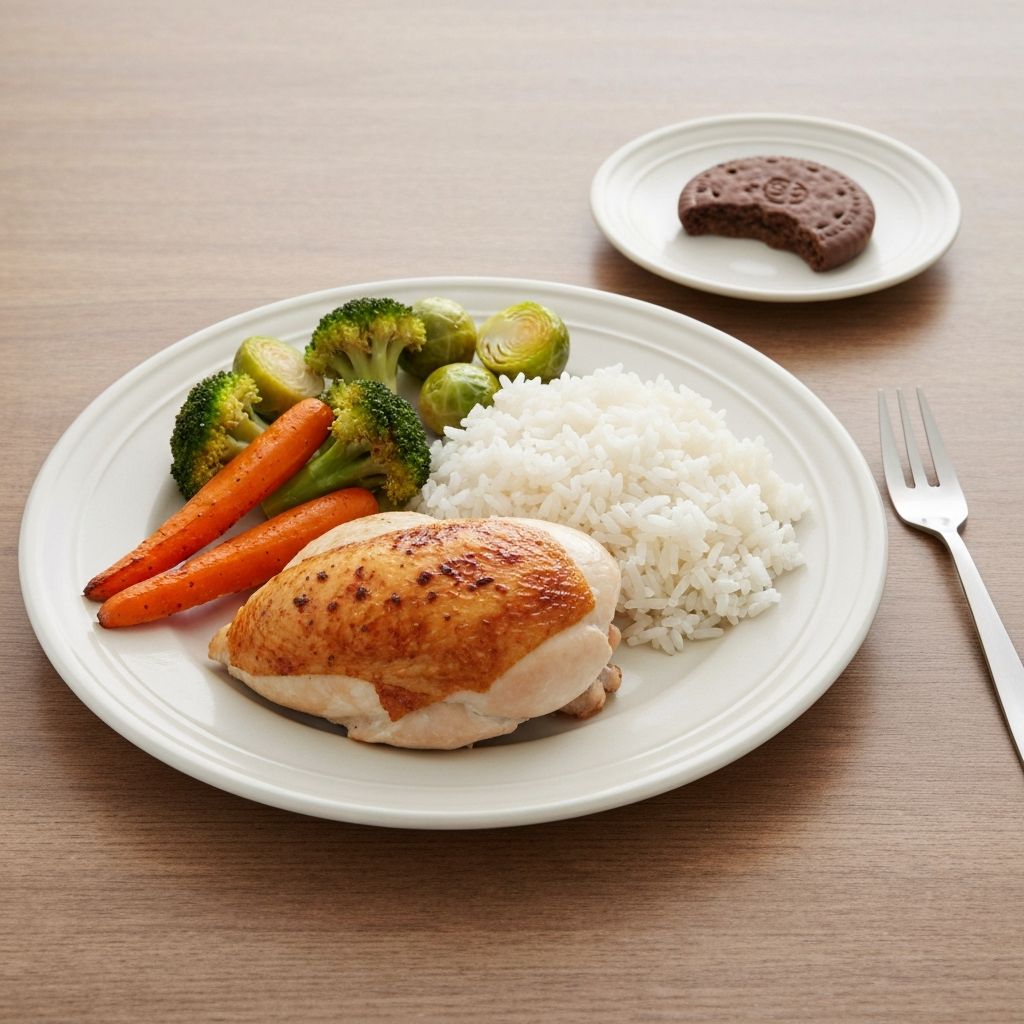
Energy balance operates on the same physical law whether the calories originate from a meal of grilled chicken and vegetables or from a slice of cake. The body processes and accounts for all energy consumed, independent of the nutrient density or perceived healthfulness of the food.
Understanding this principle provides a foundation for examining how all foods, including discretionary items high in energy density and palatability, fit within a person's total daily energy intake.
Nutrient Density Versus Energy Density
Discretionary foods—items high in energy but relatively low in essential nutrients—represent one end of the nutritional spectrum. These foods are energy-dense, meaning they provide significant calories relative to their volume or weight.
When discretionary foods comprise a substantial portion of total daily intake, they contribute meaningfully to overall energy consumption. This matters because total daily energy intake is the primary determinant in energy balance equations. A person's ability to manage their energy intake depends partly on understanding the caloric contribution of all foods consumed, including treats and indulgences.
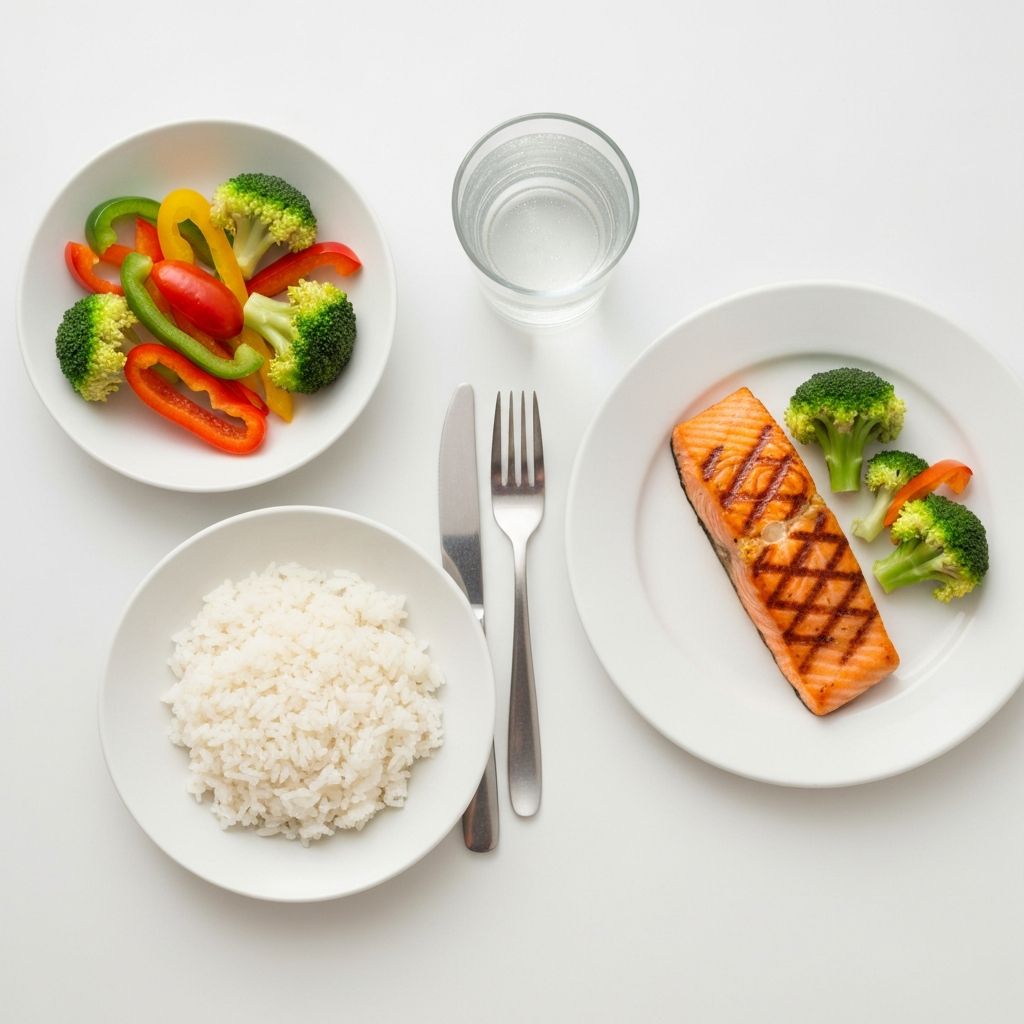
The contrast between nutrient-dense foods (vegetables, lean proteins, whole grains) and energy-dense, nutrient-poor foods (confectionery, pastries, fried snacks) becomes relevant when considering what proportion of daily calories comes from each category. Research and observational data suggest that the percentage of daily energy sourced from discretionary foods significantly influences overall intake patterns and satiety experiences.
Satiety Signals and Treat Consumption
Foods with high palatability—particularly those combining sugar, fat, and salt—produce distinct physiological responses. These highly palatable foods activate reward pathways and may generate shorter satiety signals compared to foods higher in protein or fibre.
The body's satiation mechanisms depend partly on sensory feedback and nutrient composition. Discretionary foods, engineered for palatability, may not trigger the same satiety signals that less-palatable but nutrient-dense foods do. This means a person might consume significantly more energy from treats before experiencing the same sensation of fullness.
Understanding these physiological responses is important for contextualising why subjective feelings of moderation often do not align with objective energy consumption. A person who believes they ate "a small amount" of treats may have consumed considerably more energy than they realise.
Portion Size and Frequency Observations
Research examining eating patterns reveals that the frequency and portion size of discretionary food consumption significantly influence total daily energy intake. Observational studies document that small, frequent treats accumulate to substantial caloric totals over a day or week.
Data from dietary surveys and intervention studies show that people often underestimate the energy contribution of discretionary foods, particularly when consumed frequently in small amounts. A biscuit here, a confectionery there, and sugary beverages add up to meaningful proportions of daily energy intake—sometimes 15–30% or more of total calories, depending on individual patterns.
The role of portion size is particularly noteworthy: because discretionary foods are energy-dense, even modest portions contain substantial calories. A single chocolate bar, biscuit, or serving of crisps can represent 150–300+ calories—15–30% of a typical person's daily energy deficit or surplus target.
Compensation Mechanisms in Daily Intake
The body possesses regulatory mechanisms that attempt to maintain energy balance over time. However, these compensatory systems are imperfect and context-dependent. When a person consumes discretionary foods, the body's regulatory signals do not always trigger proportional reductions in subsequent intake.
Research on acute and chronic compensation suggests that energy consumed from treats is not always fully "compensated for" by reduced intake of other foods. In some individuals and contexts, treats are consumed in addition to—rather than substitution for—other meals and snacks.
Observational and intervention data document instances where discretionary food consumption does not lead to automatic downregulation of subsequent eating. This incomplete compensation is one mechanism by which discretionary food intake can meaningfully affect total daily energy balance.
Psychological Aspects of Permission Versus Restriction

Research in eating behaviour and psychology documents complex relationships between perceived food restriction and actual consumption patterns. The concept of "disinhibition"—increased eating following a period of restraint—has been extensively studied.
Data suggest that rigid restriction sometimes precedes periods of increased consumption. Conversely, habitual or planned inclusion of discretionary foods may, in some individuals, reduce the psychological "pull" toward excessive consumption. However, these patterns are highly individual and context-dependent.
Longitudinal and intervention studies show considerable variation in how different people respond to different permissioning or restriction strategies. Some individuals experience disinhibition effects; others do not. The psychological impact of treating certain foods as "forbidden" versus "permitted in moderation" differs substantially across populations and may interact with personal history, personality traits, and individual circumstances.
Longitudinal Study Findings
Long-term intervention and observational studies examining the role of discretionary foods in structured energy-deficit scenarios provide empirical context. Researchers have documented outcomes in populations where modest percentages of daily energy—typically 10–20%—come from discretionary foods within an otherwise controlled eating pattern.
Key findings from this body of research include:
- Inclusion of discretionary foods does not inherently prevent weight loss when total energy intake remains in deficit.
- The psychological effects of inclusion versus strict restriction vary individually and contextually.
- Adherence to eating patterns—whether including or excluding treats—is frequently the limiting factor in long-term outcomes.
- Data do not support claims that treats can be consumed without limit or consequence; energy balance remains operative.
Links to Detailed Energy Regulation Articles
For in-depth exploration of discretionary foods and energy balance, visit the following detailed articles:
Energy Density of Common UK Treats and Meals
Nutritional comparison of typical British discretionary foods and their energy contributions to daily intake.
Read Article →Satiety Response to High-Palatable Foods
Physiological mechanisms underlying appetite regulation and saturation signals in response to treats and discretionary items.
Read Article →Daily Energy Compensation Patterns
Examination of how the body adjusts energy consumption in response to intake of discretionary foods.
Read Article →Psychological Effects of Food Permission vs Restriction
Behavioural research on the psychological impact of different approaches to discretionary food inclusion.
Read Article →Inclusion of Discretionary Items in Energy Balance
Observational data on percentages of daily energy from treats and their effect on total intake management.
Read Article →Long-Term Patterns of Treat Consumption
Longitudinal insights into how discretionary food consumption affects sustained energy balance over time.
Read Article →Frequently Asked Questions
Does the energy from treats count the same as energy from other foods?
Yes. Energy (calories) from any source contributes equally to the total daily energy intake. The energy balance equation does not distinguish between calorie sources. A calorie of energy from sugar, fat, or protein affects energy balance identically.
Can discretionary foods be included without affecting total energy intake?
Discretionary foods are energy-dense and provide substantial calories relative to their volume. When included in the diet, they contribute to total energy intake. Whether they replace other foods or are consumed in addition to regular intake depends on individual compensation mechanisms and eating patterns.
Why do some people feel less full after treats compared to other foods?
Highly palatable discretionary foods activate reward systems and often trigger shorter satiety signals compared to foods higher in protein or fibre. This is a physiological response related to the composition and sensory characteristics of these foods.
Is there research on including treats in structured eating patterns?
Yes. Intervention studies and observational data document outcomes when modest percentages of daily energy come from discretionary foods. Findings show that energy balance remains operative; total intake remains the primary factor affecting weight change.
How do psychological factors influence discretionary food consumption?
Research documents complex interactions between perception of restriction, psychological need for control, and actual consumption. Individual responses to different approaches vary significantly and are influenced by personal history, context, and individual psychology.
What does the research say about long-term patterns?
Long-term studies emphasise that adherence to chosen eating patterns is frequently the limiting factor in outcomes. Energy balance principles remain operative regardless of the specific foods included or excluded.
Understanding Energy Balance Fundamentals
Energy balance is the cornerstone of understanding how the body manages and stores energy. This resource provides evidence-based explanations of how discretionary foods fit within broader energy intake and regulation patterns.