Evidence-Based Articles on Energy Balance
Understanding discretionary foods and their role in daily energy intake patterns

Explore Our Articles
The following in-depth articles examine the scientific basis for understanding how discretionary foods contribute to total daily energy intake. Each article provides evidence-based explanation without prescriptive guidance.
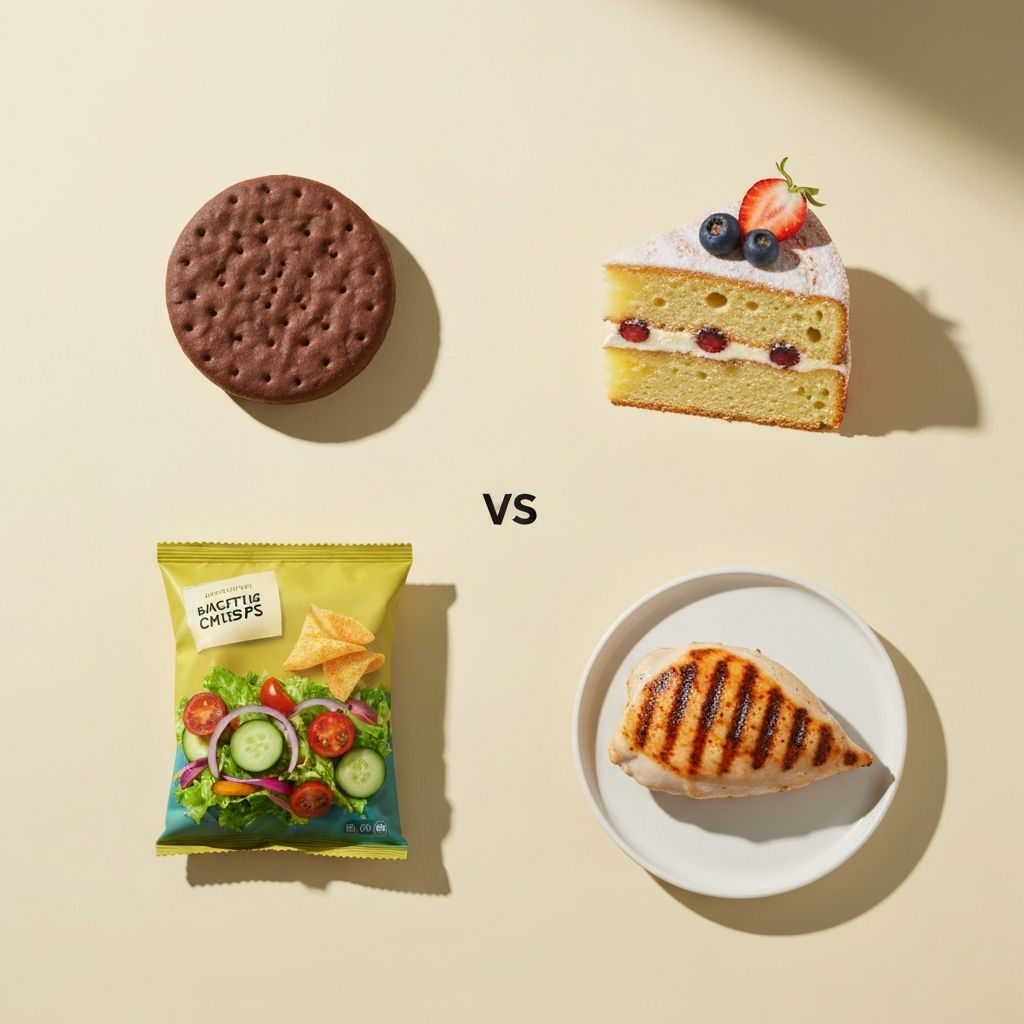
Energy Density of Common UK Treats and Meals
Nutritional comparison of typical British discretionary foods and their caloric contribution to daily intake patterns.
Read Article →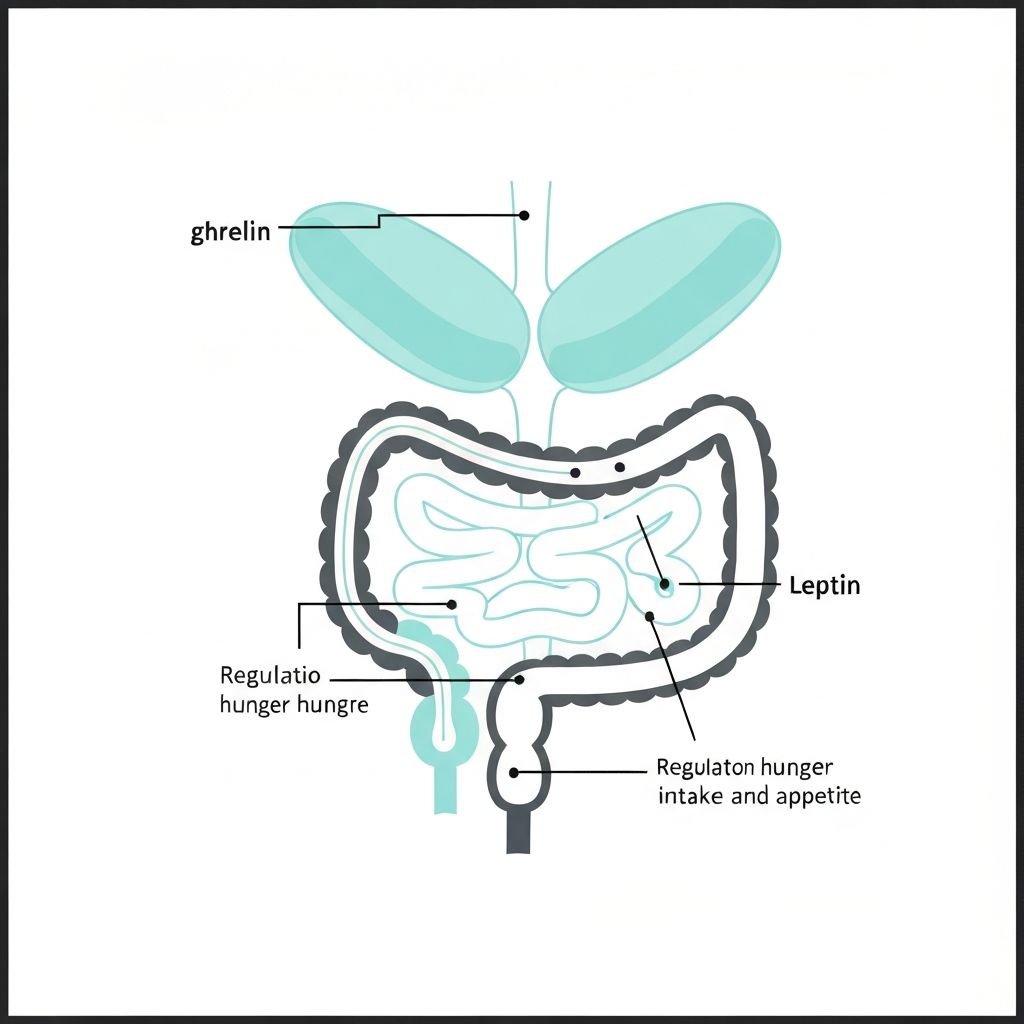
Satiety Response to High-Palatable Foods
Physiological examination of how the body responds to highly palatable discretionary foods and appetite regulation mechanisms.
Read Article →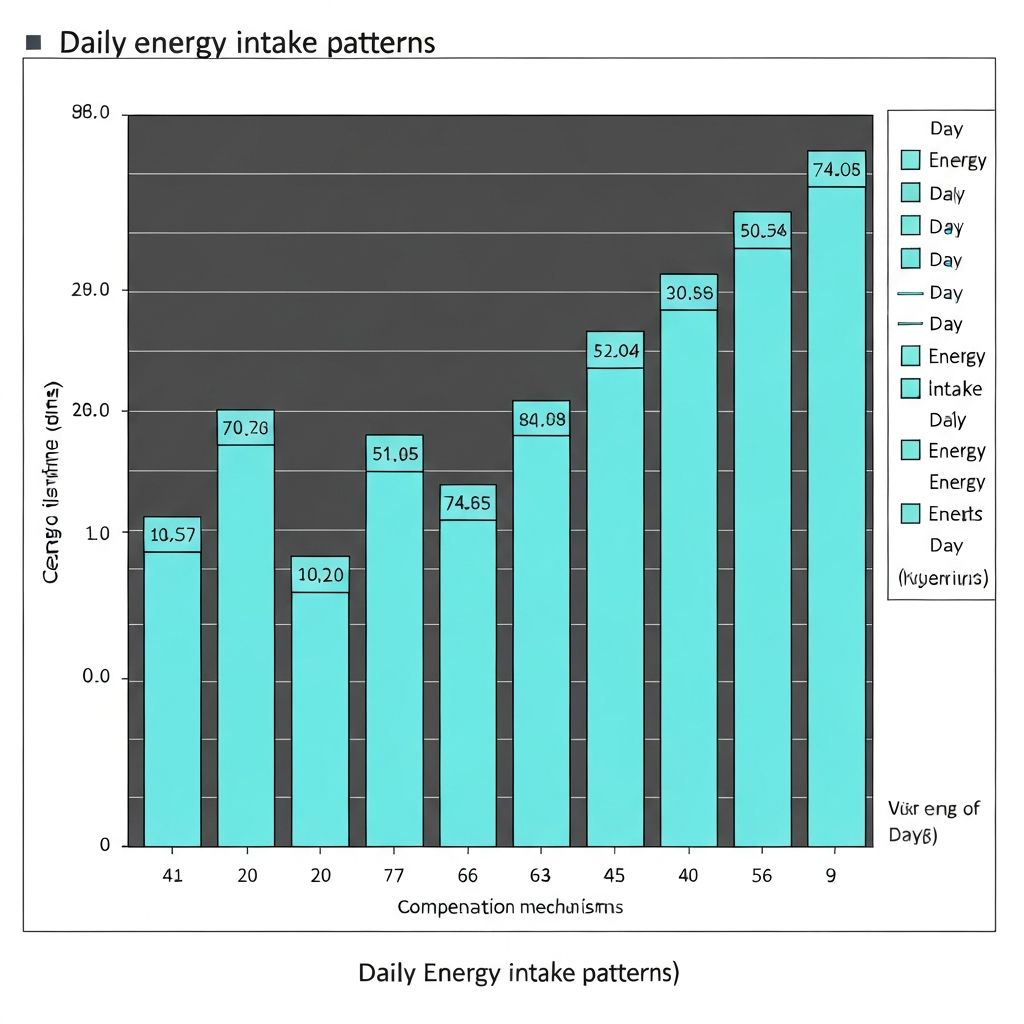
Daily Energy Compensation Patterns
Research on how the body adjusts energy consumption and the mechanisms of compensation in response to dietary changes.
Read Article →
Psychological Effects of Food Permission vs Restriction
Behavioural research on how different approaches to discretionary food inclusion influence eating patterns and adherence.
Read Article →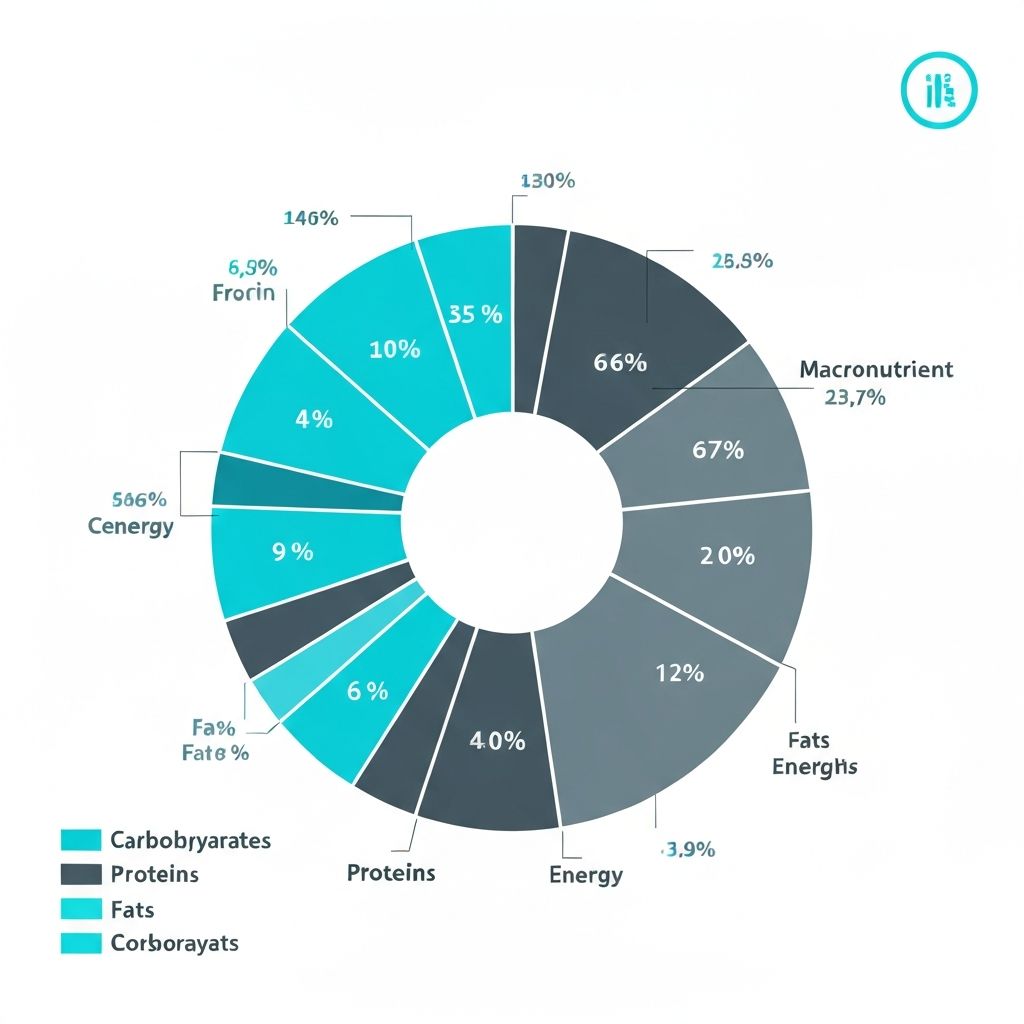
Inclusion of Discretionary Items in Energy Balance
Observational data examining the percentage of daily energy from treats and its effect on total intake management.
Read Article →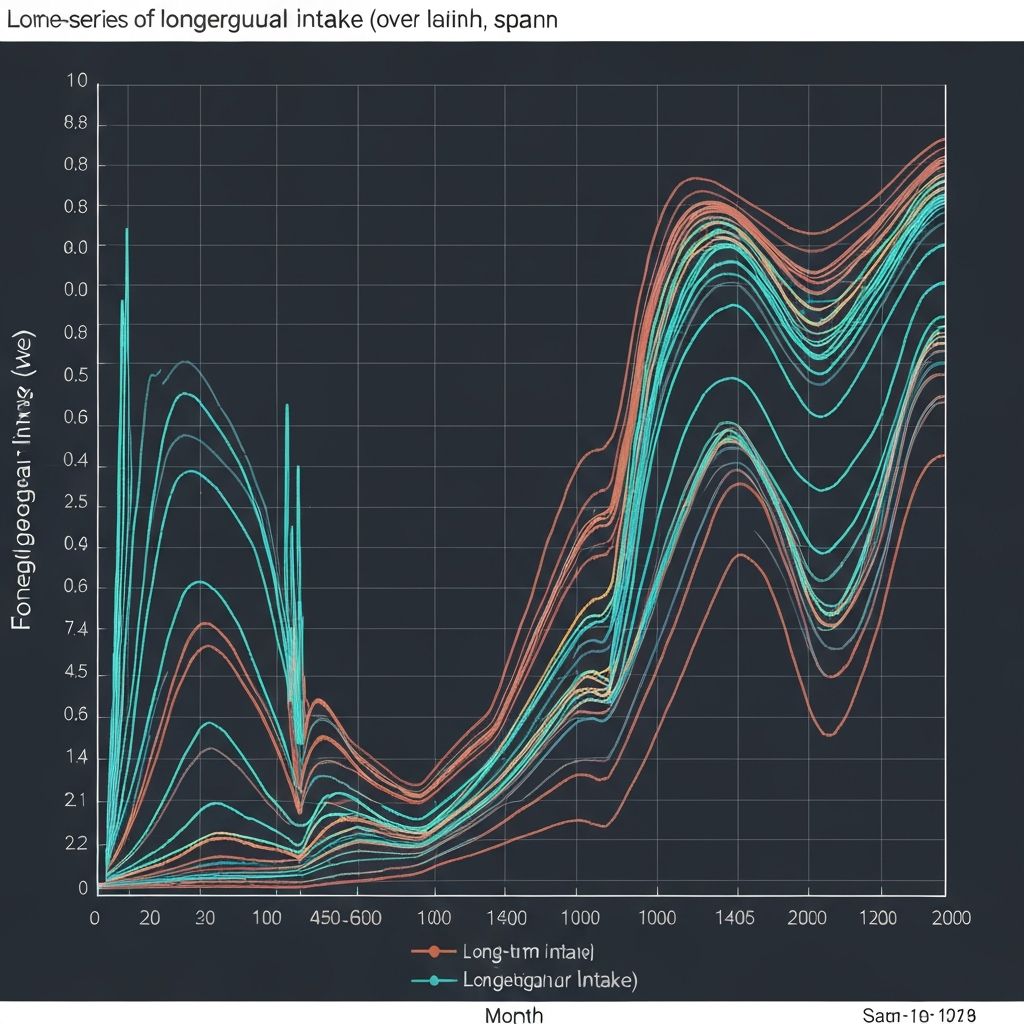
Long-Term Patterns of Treat Consumption
Longitudinal insights into sustained patterns of discretionary food consumption and energy balance over extended periods.
Read Article →Why Understanding Discretionary Foods Matters
Discretionary foods—high in energy, often low in essential nutrients—represent a significant portion of many people's daily intake. Understanding their energy contribution is essential for contextualising broader patterns of energy balance and intake regulation.
Research across multiple domains—physiological studies of satiety, psychological examination of restriction effects, and long-term observational data—provides a nuanced picture of how these foods fit within everyday eating patterns.
The articles here present evidence-based explanations without prescribing what individuals should or should not do. Rather, they explain the mechanisms, patterns, and research findings that inform understanding of energy balance and intake regulation.